20 ft Container Shipping Cost in 2026: Full Breakdown

Table of Contents
20 ft Container Shipping Cost in 2026: The Numbers That Matter
Port-to-Port vs. Door-to-Door: Where Your Money Goes
LCL vs FCL Shipping Costs for a 20 ft Container
Freight Forwarding Fees Breakdown: Beyond the Base Rate
Shipping Container Transit Time: Planning Your Delivery
Hidden Costs That Inflate Your 20 ft Container Shipping Cost
Get an Accurate Quote for Your Shipment
Frequently Asked Questions
Last Updated: September 9, 2026
20 ft Container Shipping Cost in 2026: The Numbers That Matter
Ocean freight rates in 2026 range from $1,200 to $7,200+ per container depending on the trade lane and service type, making the 20 ft container shipping cost one of the most variable figures in global logistics (Suaid Global, 2026). Used 20 ft containers themselves average between $1,300 and $2,000 as of February 2026, but that purchase price is the smallest line item in your total budget (OnSite Storage, 2026). The biggest mistake shippers make is treating a single quoted rate as a reliable forecast. Container shipping cost is not a fixed number; it is a function of route, season, service type, and cargo weight.
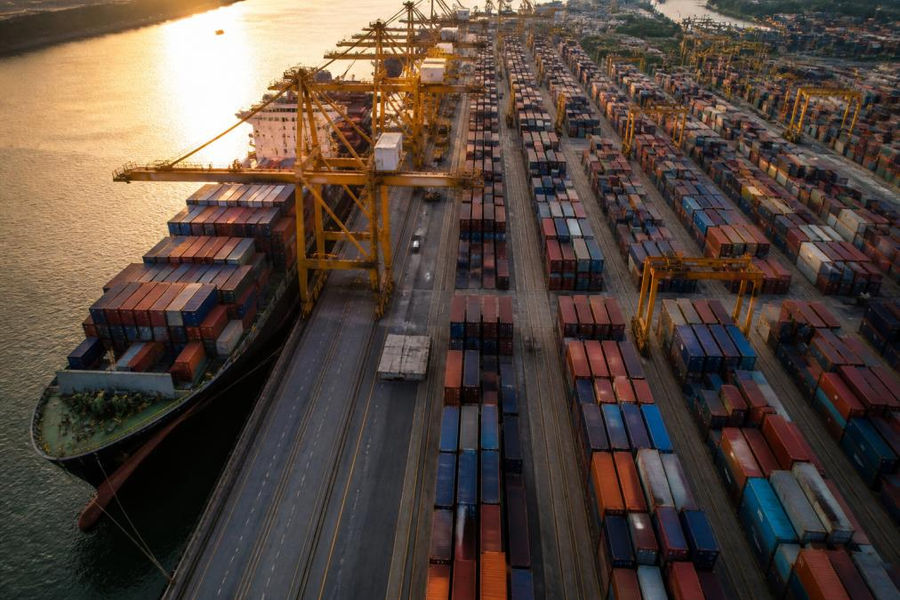
The volatility is real. According to SeaRates' 2026 analysis of container cost factors, rates fluctuate between $2,200 and $3,200 during calm periods but spike past $9,500 when demand surges. The global container ship fleet is also expanding by 1.4 million TEU in 2026, a 5% capacity increase that should ease pressure on rates. Yet the Containerized Freight Index rose 9.58% as of September 2026, suggesting capacity growth has not kept pace with demand (Trading Economics, 2026). Below, we'll break down exactly where your money goes, what hidden fees inflate your final invoice, and how to get a 20 ft container shipping cost estimate you can actually trust.
Port-to-Port vs. Door-to-Door: Where Your Money Goes
The choice between port-to-port and door-to-door is not merely a convenience decision, it is a structural difference in how risk, liability, and regulatory compliance costs are allocated. Port-to-port pricing covers only the ocean leg between two marine terminals. Door-to-door bundles inland drayage, customs clearance, and final delivery, transferring the burden of regulatory compliance and delay risk to a party with leverage at the destination.
The Cost Breakdown You Are Not Seeing
A typical port-to-port quote for a 20 ft container from Asia to the US West Coast might be $1,800-$2,500, but the moment your cargo lands, costs stack independently:
Drayage (port to warehouse): $250-$500 depending on distance and chassis availability.
Customs brokerage: $100-$200 per entry, which includes the filing of the entry summary and coordination with CBP.
Destination Terminal Handling Charge (DTHC): $150-$400, often excluded from the ocean quote.
ISF Filing (Importer Security Filing): $50-$150, required 24 hours before loading at origin.
Adding these to the ocean rate, the true port-to-port cost is often $2,500-$3,500. A door-to-door quote bundling these services might come in at $3,200-$4,000. The door-to-door premium is often only 10-20%, but it buys a single point of accountability.
The Liability Shift: Who Owns the Delay?
Under a port-to-port arrangement, your responsibility typically begins when the container is discharged from the vessel. If the trucker you booked is delayed, or if CBP holds the container for inspection, the demurrage and detention fees are yours. Under a door-to-door Incoterm (like DAP or DDP), the forwarder or seller retains risk until delivery, giving them the incentive to expedite clearance and trucking. A 3-day delay at the port can cost $300-$600 in demurrage, erasing any savings from a cheaper port-to-port quote.
The Regulatory Compliance Angle Most Guides Miss
Most comparisons ignore the regulatory burden. For a port-to-port shipment, you (or your customs broker) are responsible for the ISF filing, which carries penalties starting at $5,000 for late or inaccurate submissions, and for ensuring your goods comply with US Consumer Product Safety Commission (CPSC) rules if applicable. A door-to-door provider with a licensed customs broker on staff typically includes these filings in their service, and their liability insurance covers errors they make. When you handle port-to-port yourself, you are self-insuring against regulatory mistakes.
Watch Out The US Customs and Border Protection (CBP) does not accept "my forwarder made an error" as a defense for a late ISF filing. The penalty is assessed against the importer of record. If you are shipping port-to-port and relying on a third party to file, you must verify the filing confirmation yourself. This is a non-negotiable step that protects you from a $5,000+ penalty.
When Port-to-Port Makes Sense
Port-to-port is the right choice when you have an established relationship with a customs broker and a trucking partner at the destination, and when your cargo is routine (e.g., standard commodities with no regulatory flags). It also makes sense for high-volume importers shipping multiple containers per month who can negotiate volume discounts on drayage and brokerage that a single-shipment door-to-door quote cannot match.
When Door-to-Door Is the Value Play
For a single 20 ft container, or for first-time importers, door-to-door is almost always the cheaper total cost when you factor in the risk of delay and the cost of your own time coordinating multiple vendors. The premium you pay is effectively an insurance policy against the unknown. A forwarder with a destination office has pre-negotiated drayage rates and a customs broker on staff, meaning they can clear your cargo faster and avoid the detention fees that eat into your margin.
Key Takeaway Do not compare port-to-port and door-to-door on the headline rate alone. Build a side-by-side cost model that includes drayage, brokerage, ISF filing, DTHC, and a 5-day demurrage contingency. In most cases for a single 20 ft container, door-to-door wins on total landed cost, not because the base rate is lower, but because the risk-adjusted cost is. LCL vs FCL Shipping Costs for a 20 ft Container LCL and FCL represent two fundamentally different ways to pay for ocean freight, and choosing wrong can double your 20 ft container shipping cost. FCL (Full Container Load) means you rent the entire container, paying for the space whether you fill it or not. LCL (Less than Container Load) means you share the container with other shippers and pay only for the volume your cargo occupies. FCL is almost always the better value once your cargo exceeds roughly 15 cubic meters. Below that threshold, LCL pricing becomes competitive because you avoid paying for empty space. The calculation changes when you factor in handling: LCL cargo is loaded and unloaded multiple times at consolidation depots, increasing the risk of damage and requiring sturdier packaging. FCL cargo moves from your supplier's dock to your destination untouched, which is why freight forwarders often recommend FCL for fragile or high-value goods even when the volume is marginal. Service Type Best For Cost Structure Transit Time FCL (20 ft) Cargo over 15 CBM Flat rate per container Faster, direct routing LCL Cargo under 15 CBM Per cubic meter or per CBM Slower, consolidation stops The OECD has documented how container shipping costs directly impact import prices, noting that a 10 percentage point rise in containerized shipping costs meaningfully raises the price of manufactured goods (OECD analysis of container shipping costs on import prices, 2025). For e-commerce businesses shipping regularly, that sensitivity means the LCL vs FCL decision is not just a logistics choice; it is a pricing strategy decision that affects your landed cost and ultimately your margins. Freight Forwarding Fees Breakdown: Beyond the Base Rate The base ocean freight rate is only the starting point of your freight forwarding fees breakdown. A typical 20 ft container shipment accrues surcharges that can add 30-50% to the headline rate before your cargo even reaches the vessel. Understanding these line items is the difference between budgeting accurately and facing an invoice that blows your margin. Standard surcharges include the fuel adjustment factor, which the St. Louis Fed reports has risen sharply, with fuel costs per 20 ft container climbing from $155 to $269 for the newest ships and from $360 to $626 for the oldest vessels as of July 2026 (St. Louis Fed analysis of oil prices and container shipping costs). Older, less efficient ships burn more fuel per container, and carriers pass that cost directly to shippers. Peak season surcharges apply during high-demand windows, typically August through October on major east-west lanes, and can add several hundred dollars per container. The most common surprise fee is the destination terminal handling charge, which is often excluded from initial quotes. It can run $150-$400 per container depending on the port, and it is non-negotiable. Always ask your forwarder whether terminal handling at both origin and destination is included in your quote.
Beyond fuel and handling, expect charges for customs clearance documentation, bill of lading issuance, and container depot fees if your container is held beyond free time. A professional freight forwarding fees breakdown should itemize each of these. If a quote arrives as a single lump sum without line-item detail, that is a red flag that you are leaving money on the table.
Shipping Container Transit Time: Planning Your Delivery
Shipping container transit time is not a fixed number; it is a direct function of the specific trade lane, the carrier's schedule reliability, and, critically, the congestion level at the destination port. While the ocean sailing time from a major Asian port to the US West Coast is often quoted at 12-18 days, the total door-to-door window is frequently 25-35 days. The difference is where the hidden costs and delays accumulate.
The Real Cost of Port Congestion
Most generic guides stop at average sailing times, but the real cost driver is the port congestion surcharge. When terminals like the Port of Los Angeles or Long Beach exceed 80% berth utilization, carriers impose a congestion surcharge that can add $200 to $600 per 20 ft container. In late 2024 and through 2025, the Federal Maritime Commission (FMC) actively monitored detention and demurrage practices at major US ports, pushing carriers to be more transparent about when these fees accrue. The practical takeaway: a quote that shows a 15-day sailing time but does not include a congestion surcharge line item is likely incomplete.
Demurrage and Detention: The Clock Starts Immediately
Your container's free time at the destination terminal is typically 3-5 days (excluding weekends and holidays at many ports). After that, demurrage (for the container sitting in the terminal) and detention (for the chassis being off-site) fees start at $75-$150 per day per container. For a 20 ft container delayed by a missed customs inspection or a trucker shortage, a 5-day delay can add $500-$750 to your total cost, often more than the ocean freight difference between two carriers. This is why the cheapest ocean rate is rarely the cheapest total cost.
The Panama Canal Factor for East Coast Routes
For shipments to the US East Coast, the transit time is not just "longer", it is structurally different. Vessels transiting the Panama Canal face booking slots and draft restrictions. When the canal experiences drought-related draft limits (as it did in 2023-2024), carriers either lighten loads (raising your per-container cost) or reroute around Cape Horn, adding 7-10 days. A 20 ft container routed via the Suez Canal to the East Coast avoids this, but faces different geopolitical risks. The key is to ask your forwarder not just "How long?" but "Which route, and what is the current contingency if that route is disrupted?"
Schedule Reliability: The Metric That Matters
According to Sea-Intelligence, global schedule reliability has hovered between 50% and 60% in recent years, meaning roughly half of all container vessels arrive more than a day late. For a 20 ft container, a one-week delay can mean missed shelf dates for seasonal goods or production stoppages. The cost of that delay is rarely recovered from the carrier, as most ocean bills of lading include broad force majeure and delay exclusions.
Pro Tip When comparing quotes, ask for the carrier's on-time arrival percentage for that specific lane over the last 90 days. A carrier with 70% reliability might cost $150 more per container, but if it saves you from a 5-day delay, the demurrage and lost sales avoidance makes it the cheaper option.
Building a Realistic Buffer
A common pattern among experienced importers is to build a 7-day buffer into their inventory planning, not just for ocean transit but for the entire door-to-door chain. This buffer accounts for the fact that US Customs and Border Protection (CBP) holds a small percentage of containers for non-intrusive inspection (NII), which adds 2-5 days. The cost of that buffer, warehousing space or expedited air freight for critical items, is a line item that belongs in your total shipping cost calculation, even though it is not on the ocean freight invoice.
Hidden Costs That Inflate Your 20 ft Container Shipping Cost
Several cost categories consistently inflate a 20 ft container shipping cost beyond the quoted rate, and most guides ignore them entirely. Insurance is the first. Standard carrier liability under the US Carriage of Goods by Sea Act (COGSA) is capped at $500 per package, a figure that covers almost nothing on a modern shipment. Full cargo insurance typically runs 0.2-0.5% of the cargo value, a small price for protecting a container that may hold $50,000 or more in goods.
Regulatory compliance costs are the second hidden category. The US Customs and Border Protection Importer Security Filing (ISF), commonly called the 10+2 rule, must be filed 24 hours before cargo is loaded on a vessel. Filing fees run $50-$150 per shipment, but the penalty for late or inaccurate filings starts at $5,000 and escalates. For a single 20 ft container, a compliance error can cost more than the entire freight bill. Containerized freight also faces regional port congestion surcharges during peak periods, which carriers add when terminals exceed capacity thresholds.
Pro Tip Ask your forwarder for a detailed quote that includes ISF filing, customs brokerage, and destination handling. A transparent provider will itemize these. One that hesitates likely plans to add them later. A transparent provider will itemize these.
Sustainability and carbon offsetting fees are emerging as a fourth category. As the industry moves toward cleaner fuels, carriers are passing compliance costs to shippers through environmental surcharges. The market for 20-foot containers holds a 38% share of the shipping container modification market, reflecting growing demand for repurposed and retrofitted units, but new container production still carries embedded carbon costs that increasingly appear on invoices (Strategic Market Research, 2026).
Get an Accurate Quote for Your Shipment
The most reliable way to price your 20 ft container shipping cost is to get a real-time quote that accounts for your specific route, cargo weight, and service requirements. Generic averages are useful for budgeting but dangerously unreliable for actual planning. As the Midstate Containers transport cost analysis notes, final shipping costs depend heavily on distance, season, service type, and cargo weight, making generic figures unreliable for specific logistics decisions.
Freight-Calculator.com provides instant international shipping rates in under 30 seconds without requiring registration. Our platform, powered by Global MAX Shipping AI, draws on 35 years of logistics expertise to deliver transparent, real-time pricing that reflects current market conditions. You can compare routes, equipment, and sailing schedules side by side, and our integrated CBM calculator ensures your cargo volume is accurate before you commit. As a licensed and bonded NVOCC and TSA-approved forwarder, we handle shipments from initial calculation through final coordination, and your data stays private; we never sell or share your information.
Frequently Asked Questions
How much does it cost to ship a 20-foot container in 2026?
In 2026, shipping a 20 ft container internationally generally costs between $2,500 and $13,000. Ocean freight rates range from $1,200 to over $7,200 per container, with the final price heavily dependent on the trade lane, seasonality, and service type. For a precise estimate tailored to your route, use a shipping calculator that factors in current market data.
What factors influence the total cost of ocean freight for a 20 ft container?
Several variables determine your final ocean freight cost. The most significant are the shipping lane and distance, the type of service (port-to-port vs. door-to-door), and whether you choose FCL or LCL. Fuel adjustment factors, peak season surcharges, and regional port congestion can also cause rates to spike. Cargo weight and container grade also play a role in the final quote.
What is the difference between port-to-port and door-to-door shipping costs?
Port-to-port pricing covers only the ocean freight from the origin port to the destination port. Door-to-door shipping includes inland transport, customs clearance, and drayage, which adds significant cost. A door-to-door quote is more convenient but will be higher because it bundles trucking and handling fees. Always compare both options to see where you can save.
Are there hidden fees when shipping a 20 ft container?
Yes, base rates often exclude essential fees. You may encounter charges for customs clearance, documentation, terminal handling, and container inspections. Insurance, regulatory compliance, and sustainability or carbon offsetting fees are often listed separately. Ask for a full freight forwarding fees breakdown before booking to avoid surprises on your final invoice.
Budgeting for a 20 ft container shipment in 2026 means planning for volatility, understanding the gap between base rates and all-in costs, and choosing a logistics partner who shows you the full picture before you commit. The cheapest quote is rarely the cheapest shipment once hidden fees surface. Get an accurate, itemized 20 ft container shipping cost estimate from Freight-Calculator.com and see every component of your landed cost before your cargo leaves the dock.
Get Started Today


Comments